
As gig work expands and the cost of living continues to rise, more employees are turning to second jobs to make ends meet. Recent data highlights the shift: the share of Americans working multiple jobs grew from 6.8% in 1996 to 7.8% in 2018, and nearly 45% of U.S. workers reported having a side hustle. By 2024, the global side-hustle economy had reached roughly $556.7 billion. These numbers don't just describe a social trend, they signal a workplace reality that every manager now has to take seriously. Moonlighting is no longer an exception; it's becoming part of the modern employment landscape
If you're a manager, you might already be wondering: are my employees also taking on outside work? How to find out if an employee is moonlighting? And more importantly, how might their side jobs affect data security, productivity, or compliance? Don't worry; this guide will walk you through the essentials: what moonlighting really looks like today, the risks it can introduce, and the practical steps leaders can take to detect and manage it effectively.

What is Employee Moonlighting?
Employee moonlighting refers to a worker holding a second job or side gig outside of their primary employment. The term comes from the image of employees working under the moonlight after finishing their daytime job.
the reasons your employees moonlight may vary widely. Some do it because rising living costs make a single salary hard to manage. Others pick up side gigs to explore new skills, test a different career path, or build a safety net in case of layoffs. And for some, it's simply a passion project or a creative outlet they can't find in their day job.
Understanding these motivations helps you manage moonlighting more effectively, balancing employees' personal needs with your organization's expectations and security requirements.
You may also want to know: What Is Shadow IT? How to Control It?
How Does Employee Moonlighting Show Up in the Workplace?
Before you can manage moonlighting, you first need to recognize what it looks like in day-to-day operations. Many managers don’t realize employees are taking on outside work until productivity dips or conflicts arise. By then, the problem is already visible. Understanding the common signs helps you identify issues early and respond thoughtfully rather than reactively.
Moonlighting can take many forms:
1. Blue moonlighting
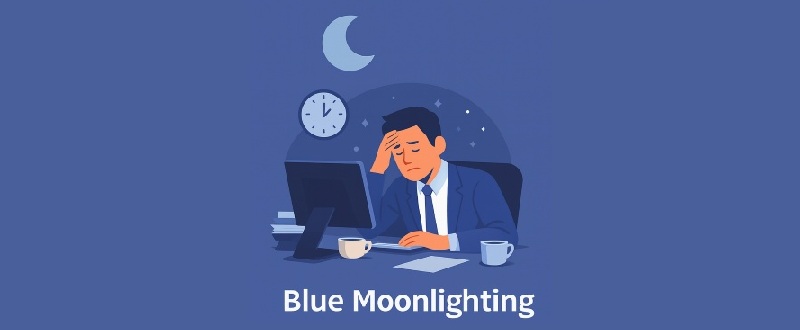
Blue moonlighting occurs when an employee attempts to manage two jobs but struggles to keep up, leading to declining performance or visible stress. It is often an early indicator that the employee has underestimated the workload, and managers should view it as a capacity-management issue rather than misconduct.
2. Quarter moonlighting

Quarter moonlighting involves taking on a small side gig, typically only a few hours per week, while maintaining stable performance in the primary role. It is generally low-risk, but managers should monitor whether the workload expands over time.
3. Gig Moonlighting
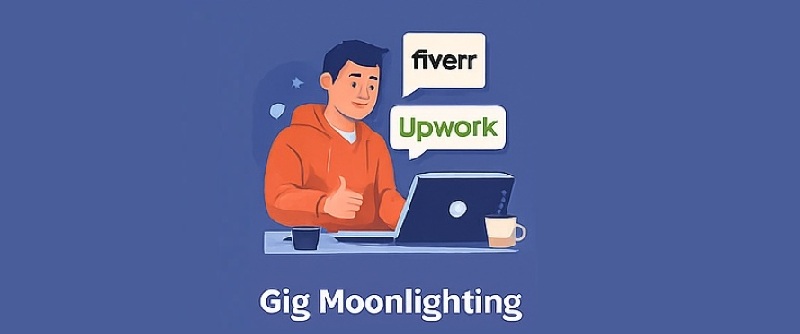
Gig moonlighting refers to project-based or platform-based work such as freelance assignments or delivery gigs. The impact depends on workload: manageable when occasional, but potentially disruptive if gig volume escalates.
4. Competitive Moonlighting
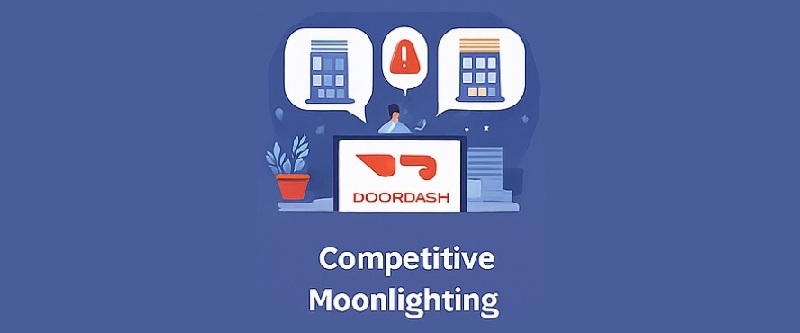
Competitive moonlighting happens when an employee works for a competitor or performs similar services in the same market. This presents significant risks, including conflicts of interest, data exposure, and compliance violations, and typically requires firm organizational policies.
5. Full moonlighting
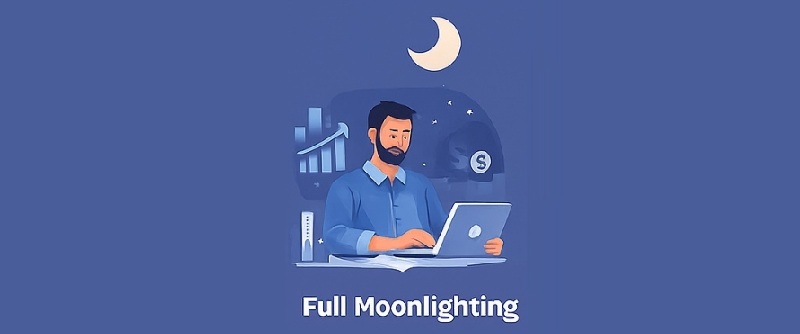
Full moonlighting involves an employee maintaining a substantial second job while still meeting expectations in their primary role. Although performance may remain stable, it raises concerns around long-term commitment, confidentiality, and potential turnover.
How Does Moonlighting Affect Your Organization?
Moonlighting is not inherently bad, but it can hurt the organization if unmanaged. Here are the most common risks.
| Risk | Impact on the business |
|---|---|
| Reduced productivity | Employees who work two jobs often feel tired or burnt out. This makes them slower, more prone to mistakes, and more likely to miss important deadlines. |
| Conflicts of interest | Some employees may take a second job with a competitor or share sensitive information, even unintentionally. This can cause confidentiality issues, damage client trust, and lead to client loss. |
| Data-security risks | Moonlighting can lead to data leaks if distracted employees mishandle customer information or business documents. Using unapproved apps or tools on company devices also creates more security risks, such as malware infections. |
| Process disruption | When employees are often late, leave early or submit sloppy work, day-to-day operations slow down. This disrupts workflows, delays projects and makes it harder for teams to stay on schedule. |
| Higher employee turnover | When someone starts earning money or gaining recognition from a second job, they may begin to see their primary role as “less important.”
Their loyalty slowly shifts. Once the side gig feels more rewarding, emotionally or financially, they naturally feel less attached to the company and more tempted to leave. |
Moonlighting isn't just a side activity, it can quickly turn into a serious business risk if managers ignore the early signs. When employees divide their energy between two jobs, your organization receives less focus, slower execution and lower-quality work for the same payroll cost. In more severe situations, employees may accidentally, or intentionally, share confidential information, take clients with them or even work for a direct competitor.
For leaders, the real danger is that moonlighting problems often stay hidden until the damage is already done. By the time performance drops or security issues appear, the employee may already be burned out, disengaged or planning to leave. Without a clear policy and active monitoring, a single moonlighting case can disrupt team morale, overload high performers and expose your company to compliance and data-security risks.
In short, moonlighting is not a minor HR issue, it's a growing operational and security threat. The sooner managers identify it, the sooner they can protect their teams, retain key talent and prevent costly business disruptions.
How To Find Out if Employees Are Moonlighting?
Detecting moonlighting means paying attention without crossing privacy lines. You should always follow local labor and data-protection laws and be open with employees about what you monitor and why. From a manager's point of view, the goal isn't to “catch” people, but to understand what's really going on before it turns into a bigger problem. Here are some practical ways to spot hidden side jobs.
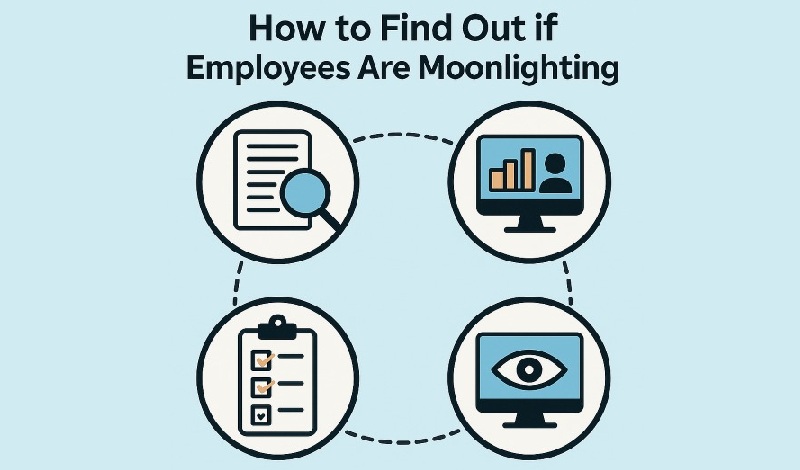
Start with contracts and policies
Before worrying about moonlighting, check what your employment contracts and HR policies actually say. Look for clauses on conflict of interest, confidentiality, non-competition, or exclusivity, and see whether they require employees to disclose outside work or ban working for competitors. Also consider local law: in many places, employees are allowed to have second jobs as long as they don't break working-time rules or misuse confidential information. If you have no clear policy, it's harder to act against someone just for moonlighting; you'll need to focus on performance, misconduct, or resource misuse instead.
Watch performance and behaviour
The safest way to “detect” possible moonlighting is to focus on what happens at work: tiredness, loss of focus, more mistakes, missed deadlines, odd hours, frequent lateness, or lots of personal calls and device use during working time. None of this proves a second job, but consistent patterns give you objective grounds for a performance discussion. Document concrete examples and then talk to the employee about the impact on their work, asking if anything outside work is affecting their ability to meet expectations, without accusing them of having a side job.
Check for conflicts and misuse of company resources
Your main risk is when outside work competes with your business or uses your tools and data. Within the limits of your IT and monitoring policies, you can review how company devices, email, and systems are used, looking for things like proposals sent to outside clients, use of freelance platforms during work hours, or suspicious data transfers. You should not monitor personal accounts or devices or secretly spy on people. Stick to systems you own and policies employees have been informed about, and apply them consistently.
Insider threats in 2026 are smarter and harder to detect. Explore real cases, key trends, and practical strategies to prevent internal risks before they cause serious damage. Learn more>>
Use Case: Detecting Moonlighting with AnySecura
Moonlighting often appears through irregular work patterns. AnySecura provides organizations with the visibility needed to identify these signals by capturing data such as application usage patterns, document movements, communication activities, and device interactions. This enables earlier and more accurate detection, supports fact-based discussions with employees, strengthens policy compliance, and reduces the risk of productivity loss or conflicts of interest.
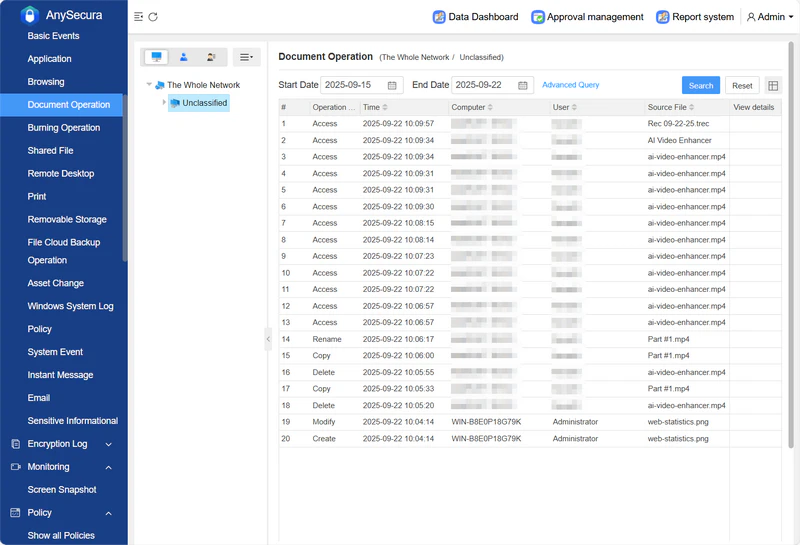
- Application Usage Monitoring: Tracks when applications are launched or closed, records window titles and durations. This allows you to spot unusual patterns (for example: productivity apps only used outside normal hours) which may signal side-jobs.
- Web Behavior Auditing: Logs visited URLs, time spent on each site, and classifies browsing into categories such as “productive” or “distraction.” Helps you detect if employees are spending work hours on side gigs, freelance sites or other non-company business.
- Chat & Email Monitoring: Captures internal and external messages, archives attachments and communications flows. Useful to identify whether an employee is using company email or chat tools for side-jobs or undeclared external work.
- Document Activity Tracking: Records operations such as open, copy, delete, move, upload and download for files. This helps detect whether company documents or data are being used in undisclosed external activities or side business.
- Live Screen Monitoring & Session Logging: Allows view-or-replay of employee screens, especially when certain applications are active. This can reveal side-business workflows happening during company time.
- Centralised Operation Logs & Alerts: Aggregates data across apps, web, documents, network and devices; supports alerts when rules are breached. This means you can set thresholds (for example: multiple file uploads at odd hours) that trigger investigation of moonlighting risk.
👉 Want to learn about AnySecura's Employee Monitor
See how AnySecura helps managers detect and manage employee moonlighting.
Read MoreBy combining behavior analytics and file tracking, AnySecura helps companies confirm whether a suspected employee is moonlighting and reduces false positives. It also saves HR teams time compared to manual audits.
Tips to Prevent Moonlighting by Employees
Once you understand moonlighting risks, prevention becomes the next priority. The goal is not to punish employees but to create an environment where side gigs aren't necessary or harmful.
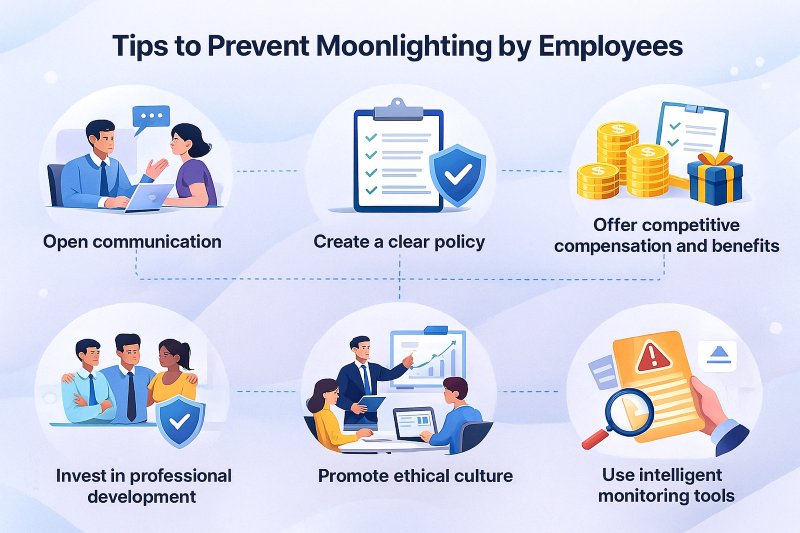
- Open communication: discuss contracts and expectations during onboarding. Explain why your company discourages moonlighting and how it could affect the business. If employees are struggling financially or pursuing a passion, explore ways to support them.
- Create a clear policy: your HR team should define whether dual employment is allowed, which types of side gigs are forbidden, how approval works and what happens if rules are broken. Include non‑compete clauses and performance‑expectation agreements in employment contracts.
- Offer competitive compensation and benefits: low pay is a major reason people moonlight. Regularly benchmark salaries, bonuses and benefits to reduce financial pressure.
- Invest in professional development: provide training and stretch assignments so staff can gain new skills and advancement opportunities internally.
- Promote ethical culture: run ethics workshops and emphasize honesty, respect and loyalty. Employees who feel valued and trusted are less likely to pursue secret gigs.
- Use intelligent monitoring tools: implement privacy‑conscious solutions like AnySecura to detect and deter unethical moonlighting without micromanaging.
- Enforce consequences when necessary: remind employees about disciplinary actions such as warning letters, suspensions, performance improvement plans or termination for serious infractions.
FAQs about Employee Moonlighting
Q1. Is employee moonlighting illegal?
No, moonlighting is generally legal unless it violates employment agreements, confidentiality clauses, or involves working for a competitor.
Q2. How can I tell if an employee is moonlighting?
Look for behavior changes, performance drops, unusual device activity, or discrepancies in availability. Tools like AnySecura help verify these signals accurately.
Q3: Can an employer stop an employee from moonlighting?
Yes, if your employment contract or company policy explicitly restricts outside work and the restriction is reasonable and job-related.
Conclusion
Moonlighting is no longer a fringe issue, it's a workplace reality in 2026. By combining smart monitoring, transparent culture, and clear policies, businesses can protect productivity and security without compromising trust.
Tools like AnySecura help organizations detect risks early and maintain compliance, all while respecting employee privacy. Being proactive now will save your company from bigger challenges down the road.