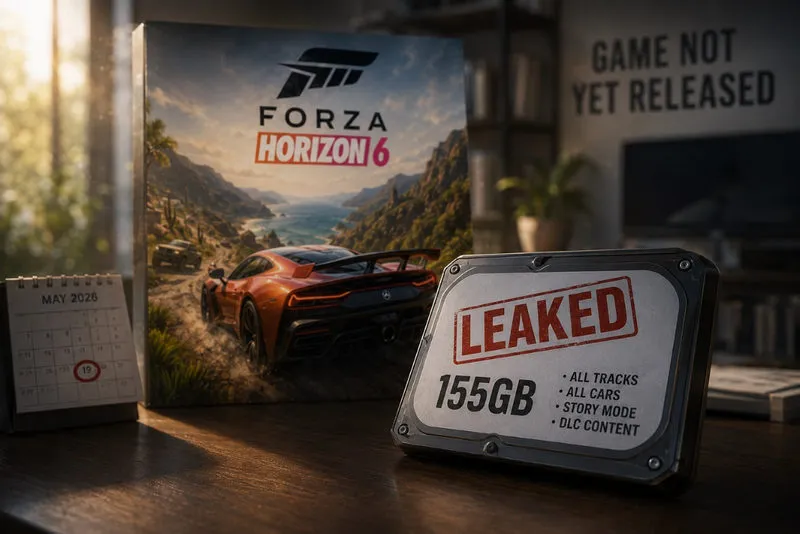
On May 11, 2026, just ten days ahead of its scheduled launch, the complete 155GB unencrypted game files of Microsoft’s Forza Horizon 6 were leaked online in full. The leaked package contained all core in-game content, allowing users to run the game offline and even access official online servers without legitimate authorization.
Triggered by serious lapses in internal access control, this massive security breach bears striking similarities to the infamous 2022 GTA 6 data leak. It has laid bare pervasive data security flaws lingering across the global gaming sector, raising a vital industry-wide question: amid surging commercial value of proprietary gaming assets, how can developers build robust defense systems to fend off growing data exposure risks?
The Forza Horizon 6 Leak: A Full-Blown Crisis Caused by Internal Security Oversights
What Happened: Avoidable Internal Access Management Failures
The core of the Forza Horizon 6 leak was not a Steam preload vulnerability, as initially speculated, but a breakdown in internal access governance. On May 10, 2026, users discovered a full unencrypted game file repository appearing on Steam.
The publisher later clarified that the leak originated from industry insiders, including media outlets and streamers who had been granted early access builds. These review versions were supposed to carry unique identifiers and strict access restrictions. However, weak permission management and insufficient encryption allowed the files to be extracted and redistributed using key-based tools.
This was not the first incident involving Playground Games. In March 2026, the PC version of Death Stranding 2 also leaked under similar circumstances. Two security failures within two months exposed systemic weaknesses in partner access control, core data encryption, and leak detection mechanisms.
In this case, the leaked build was not partial content, but a fully playable version exceeding 100GB, containing nearly 5,000 files, including the main executable, DLC content, and all production assets. In effect, it represented years of development exposure in a single breach.
Spread and Response: Public Dissemination Backed by Harsh Official Crackdowns
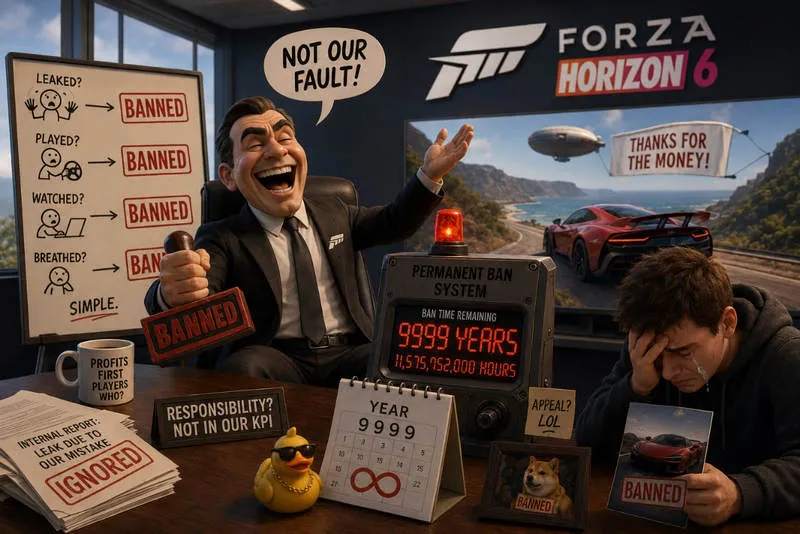
Within hours, the leaked files spread across international forums, piracy communities, and unauthorized file-sharing platforms. Screenshots, a 45-minute early gameplay video, and extended footage circulated rapidly. Some users even bypassed verification systems to access online gameplay. A well-known YouTube creator, DVS Squad, had their account banned until the year 9999 after uploading leaked gameplay, one of the longest enforcement actions in gaming history.
To contain the situation, Playground Games adopted a zero-tolerance enforcement policy. Players found running the leaked build faced permanent account bans combined with hardware-level HWID bans, making evasion through account changes or system reinstalls ineffective.
While framed as a strict anti-piracy measure, the approach triggered backlash among legitimate users. Some argued that individuals who merely clicked leaked links or viewed content were also affected. Critics accused the publisher of shifting the consequences of internal security failures onto players, leading to a rapid deterioration in public sentiment.
Multidimensional Damages: Losses for Players, Developers and the Entire Sector
Impacts on Gamers
- Experience degradation: the game’s Japan-inspired open world was fully exposed early, significantly reducing discovery value and anticipation.
- Rights impact: broad enforcement actions affected legitimate players, limiting account access and eroding trust.
- Security risks: unofficial leaked builds pose malware risks, increasing threats of account theft, device compromise, and data exposure.
Impacts on Game Publishers
- Financial loss: The title represented a major development investment, and the leak damaged sales momentum while increasing post-incident remediation costs.
- Brand damage: Public trust declined, player sentiment weakened, and the company’s reputation suffered across the industry.
- Development impact: Core assets were exposed, enabling piracy and content reuse, and increasing pressure on ongoing development workflows.
Industry-Wide Wake-Up Call
The Forza Horizon 6 leak is not an isolated incident, but a typical reflection of worsening data security chaos across the gaming industry. Starting from the large-scale GTA 6 data disclosure to the full-file pre-release leak of Forza Horizon 6, a complete underground profit chain covering data theft, technical cracking, online dissemination and commercial resale has taken shape within gaming circles.
What makes this incident particularly alarming is solid evidence proving internal insiders have replaced external hacker groups as the primary source of gaming data leaks. Traditional defense strategies relying solely on network firewalls and basic password protection have become outdated. The entire gaming industry is now urged to overhaul its existing data security architecture in response to evolving threats.
History Repeats: The Industry Impact of the 2022 GTA VI Leak
If the Forza Horizon 6 incident represents internal failure, the 2022 GTA VI leak remains one of the largest and most consequential cyber intrusions in gaming history.
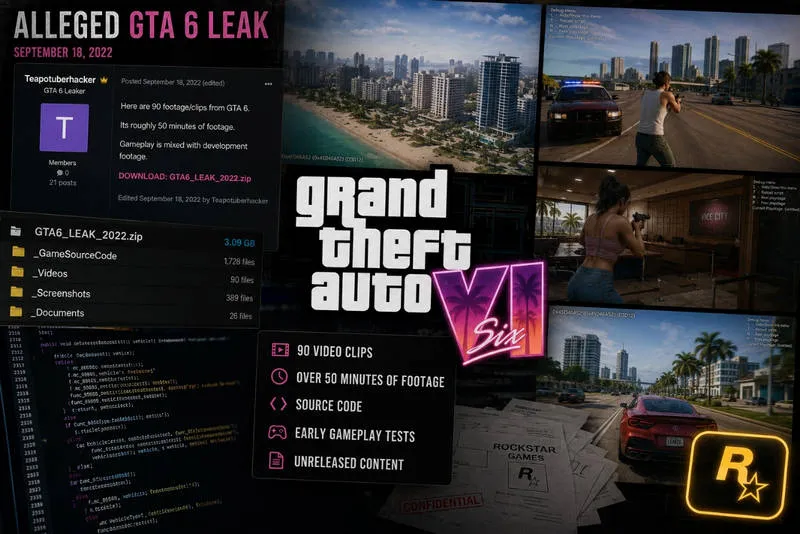
On September 18, 2022, a hacker known as “Teapotuberhacker,” linked to the Lapsus$ group, published a 3GB archive containing early development materials from Rockstar Games. The leak included approximately 90 videos of GTA VI in development, source code fragments, and early gameplay demonstrations totaling over 50 minutes of footage.
The leaked content confirmed key aspects of GTA VI’s design, including a Vice City-inspired setting, dual protagonists (including the series’ first female lead), and open-world gameplay systems. Sensitive materials such as unrendered environments and raw development code were also exposed.
Core impact of the GTA VI leak
- Financial impact: Take-Two Interactive’s stock dropped by around 6%, wiping out more than $1 billion in market capitalization. Post-incident remediation, code restructuring, and legal response efforts exceeded $5 million in estimated costs.
- Development delay: GTA VI was originally scheduled for a 2025 release. Following the leak and subsequent restructuring, the launch was pushed to November 2026.
- Industry impact: The incident became widely referred to as the “biggest leak in gaming history,” exposing critical weaknesses in network security, source code protection, and internal access governance across AAA development pipelines. The event triggered widespread concern across the industry: if even a top-tier IP like GTA VI could not protect its development data, smaller studios faced an even more precarious security reality.
Combined analysis of the two landmark incidents indicates modern gaming data threats have evolved from single external hacking attacks to combined internal and external dual risks. Single-layer defense measures can no longer cope with complex leakage scenarios, calling for a full-cycle security mechanism covering pre-event encryption defense, real-time risk monitoring and post-incident traceability and accountability.
Lessons from Dual Leaks: Awakening Responsibility Across Players, Studios, and Legal Systems
Players: rejecting leaks and protecting ecosystem health
- Reject leaked material: Do not download or share unofficial game builds or spoiler content. Cutting off distribution at the source is the best way to slow the leak economy.
- Protect the experience: Block leak-heavy content and preserve the sense of discovery that makes games enjoyable in the first place.
- Push for accountability, not overreach: Challenge unfair publisher punishments while also urging studios to improve security management and better protect player accounts and rights.
Publishers: moving beyond assumptions toward full-chain security
- Rebuild the security mindset: Stop treating security as secondary to development. Data protection should be built into the full development lifecycle, with no less than 10% of development spending allocated to security defenses.
- Strengthen internal controls: Apply least-privilege access, strictly limit access to core data, and ensure all sensitive actions are logged for exact tracing.
- Upgrade encryption: Introduce integrated strong-encryption tools such as AnySecura to automatically and transparently encrypt core game assets from the source.
- Improve incident response: Prepare a leak-response plan that prioritizes tracing and containment, and clearly separates policy violators from innocent users so legitimate players are not harmed. AnySecura’s official materials describe encryption, access control, logging, device restrictions, and monitoring features that fit this kind of response model.
Legal frameworks: increasing the cost of leaks
- Draw a clear legal line: Game leaks should be treated as a criminal matter. Stealing and distributing sensitive game content for profit can fall under copyright infringement and should carry prison time, fines, and other criminal penalties.
- Pursue the full chain: The gray market around leaks should not only target hackers and crackers, but also distributors and monetization platforms. Civil damages should be substantial enough to make leaks unprofitable and break the business model entirely.
- Promote international cooperation: Cross-border leaks should be fought cross-border. Gaming leaks often move internationally — as in the GTA VI case, where the material spread globally after originating abroad — so judicial systems need stronger cooperation mechanisms for cross-border cyber enforcement. The goal is to keep jurisdictional gaps from becoming safe havens for leak networks. Reuters confirmed the GTA VI incident’s global significance, and the draft’s broader legal argument follows from that.
AnySecura: A Practical Breakthrough Solution for Gaming Data Security
Traditional security tools including basic firewalls, antivirus software and simple encryption programs are no longer capable of coping with current combined internal and external data leakage threats facing the gaming industry.
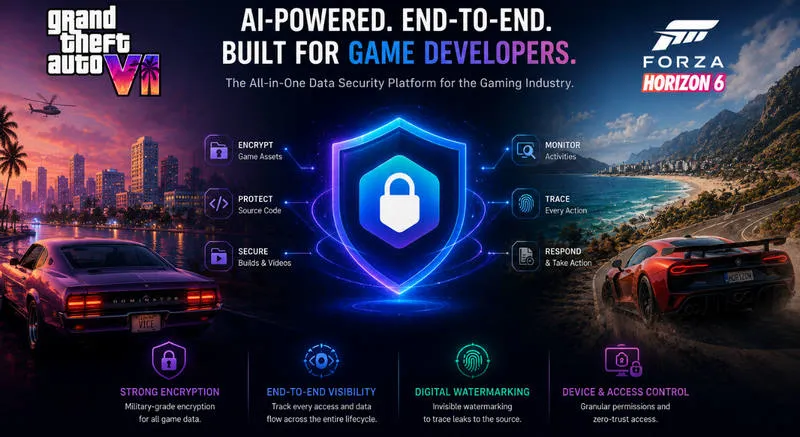
As an AI-powered all-in-one high-strength data encryption platform, AnySecura caters precisely to core security demands of gaming enterprises via four core capabilities: invisible automatic encryption, full-lifecycle behavior traceability, dual-mode copyright watermark embedding and unified Endpoint access control. It builds a complete three-dimensional defense system to realize pre-leak prevention, real-time in-process monitoring and traceable post-incident accountability for core gaming assets.
Military-Grade Invisible Encryption Blocks Leakage at the Source
Core gaming assets including source codes, art resources, story scripts and pre-release pre-load files remain prime targets for data theft. Adopting Hook technology and standard AES-256 encryption algorithms, AnySecura achieves seamless automatic compatibility with over 200 mainstream game development tools such as Unreal Engine, Unity Engine and Photoshop.
- No disruption to development: Authorized users can edit encrypted files normally in approved environments such as the company network or designated devices, without manual encryption steps or workflow friction.
- No access outside authorized environments: Once encrypted files are stolen — whether from an insider leak or an external breach — they cannot be opened, run, or decrypted on unauthorized devices or networks. Even if a full game build leaks, it becomes unreadable gibberish, avoiding a Forza Horizon 6-style disaster.
- Tiered encryption for different scenarios: Different protection levels can be assigned to different types of data, such as core code, story scripts, regular assets, and preload files, balancing security and operational efficiency.
Full-Link Behavior Traceability Locates Leak Sources Precisely
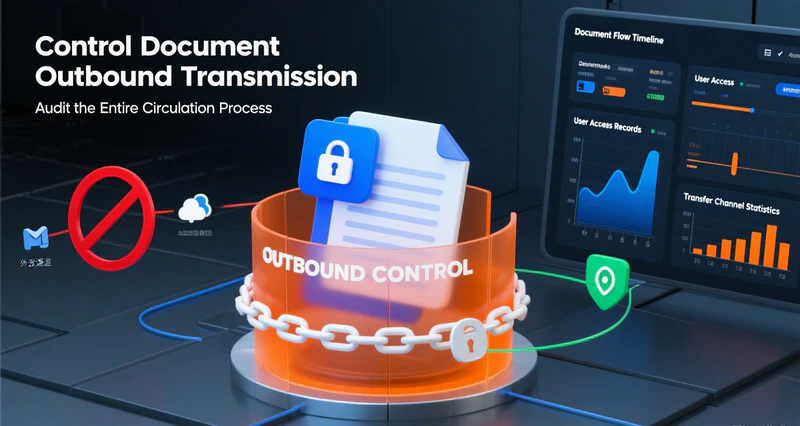
The biggest obstacle in handling gaming data leaks lies in tracking complete file circulation paths to confirm responsible parties. AnySecura records every operational behavior of game files throughout their entire lifecycle, including creation, editing, transmission, duplication and deletion. It can fully restore complete circulation records even after files undergo multiple rounds of revision and forwarding.
- Internal traceability: Each employee and partner can be assigned a unique identity, and all sensitive file actions are logged. If a leak occurs, the first person to move the file outside the approved boundary can be identified quickly, avoiding the “no obvious insider” problem seen in many leaks.
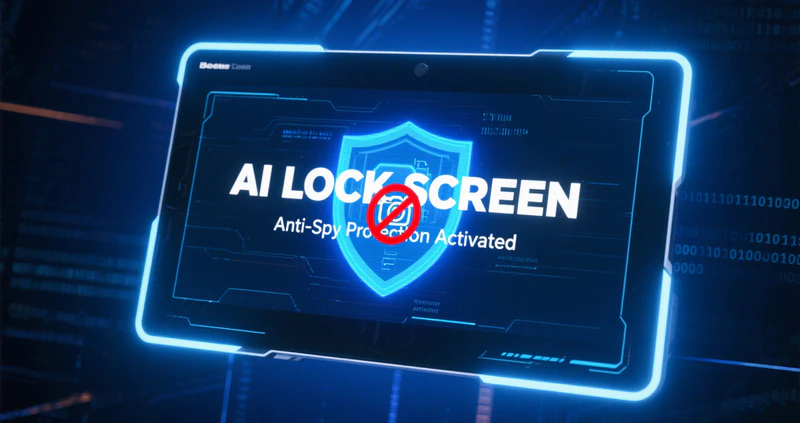
- Full lifecycle tracking: Whether a file is transferred through a local disk, USB drive, cloud storage, email, or chat tool, the trail is recorded. The system can even track screenshots, printing, and screen recording, creating truly comprehensive monitoring.
- Visual traceability: Knowledge-graph style visualization can show the file’s movement path clearly, helping teams identify the leak point and the people involved, while also building a complete evidence chain for legal action.
Dual-Mode Copyright Watermarks Strengthen Intellectual Property Protection
Original game artwork, exclusive storylines and character design resources constitute core intellectual property value of gaming enterprises, and are also most vulnerable to copyright infringement after data leaks. AnySecura supports combined visible and invisible dual watermark embedding technology, adding tamper-proof permanent proprietary labels to game files, screenshots and design drafts that remain intact throughout all circulation processes.
- Visible watermarks: Add company logos, copyright notices, user IDs, and timestamps to clearly assert ownership and deter misuse.
- Invisible watermarks: Embed hidden dot-pattern watermarks or digital fingerprints that cannot be seen with the naked eye but can still be extracted after screenshots, cropping, or secondary editing.
- Full-scenario IP protection: Whether it is internal art during development, test builds, release files, or promotional materials, watermarking helps curb piracy, infringement, and unauthorized redistribution.
Endpoint and Transmission Control Blocks Diversified Leakage Channels
Gaming data leaks happen through various channels beyond simple file forwarding, including USB copying, cloud disk uploading, email delivery, instant messaging sharing and screen recording derivation. AnySecura builds multi-dimensional leakage barriers covering Endpoint management, transmission restriction and application access supervision.
- Endpoint control: Block unauthorized USB devices, printers, and Bluetooth peripherals to stop physical exfiltration, while also hardening devices against intrusion.
- Transfer control: Restrict uploads through cloud drives, email, chat apps, and web tools. Even if files are uploaded externally, encryption keeps them unusable, so data can leave the environment without becoming readable.
- Application control: Prevent unauthorized software, such as cracking tools, screen recorders, and file-transfer utilities from running, keeping the development environment clean and secure.

AnySecura — Protect Game Assets, Source Code, and Pre-Release Builds
Prevent insider leaks, track sensitive file activity, control transfers across devices, and secure game development pipelines with AI-powered encryption and behavioral traceability.
Securing the Future of the Gaming Industry
From internal breakdowns in Forza Horizon 6 to external breaches involving GTA VI, these incidents highlight a consistent reality: high-value game assets are now systematically exposed to both internal and external threats. As production budgets grow and global releases become more complex, data security is no longer a secondary concern. It has become a structural constraint on how games are built, shared, and launched.
When GTA VI is finally scheduled to launch in November 2026, players around the world will be watching to see whether one of the most anticipated games of the decade can avoid another round of history repeating itself. AnySecura’s arrival offers not just GTA VI, but the entire gaming industry, a practical and credible data-security framework that can actually be deployed.